
 Posted by
 By Beckett Evans, Staff Writer
Music makes the world go around. For most of us, listening to music is such a large part of our everyday routine that we often take it for granted. Have you wondered how some pop stars make hit after hit while other musicians are one hit wonders? There is a lot more behind your favorite popstar and what goes into the music they are making. At the heart of the process in creating music are the record companies who employ a formula to make money.
At companies like Columbia, “there are people who understand the biological effects of how chord progressions affect humans,” professional musician Chris Saklett says. “They want to know the best way to get more people to listen to their music?” This is the side of music most people don’t hear about, the secrets of the Industry. In fact if you take a look at the billboard hot 100 you’ll find these secrets repeated throughout in the form of common time signatures, keys, and chords. There are over 400 very popular songs, from the past 20 years, which use a 1 5 6 4 chord progression. These include, She Will Be Loved by Maroon 5, 2002, and Someone Like you by Adele, 2011. Not only do record companies find trends to help musicians grow, but they control the industry as a whole.
When asked about the power of record companies, Will Hermes, a writer for Rolling Stone magazine said, “It’s an economic chain. If you want to get famous, you have to join a record label”.
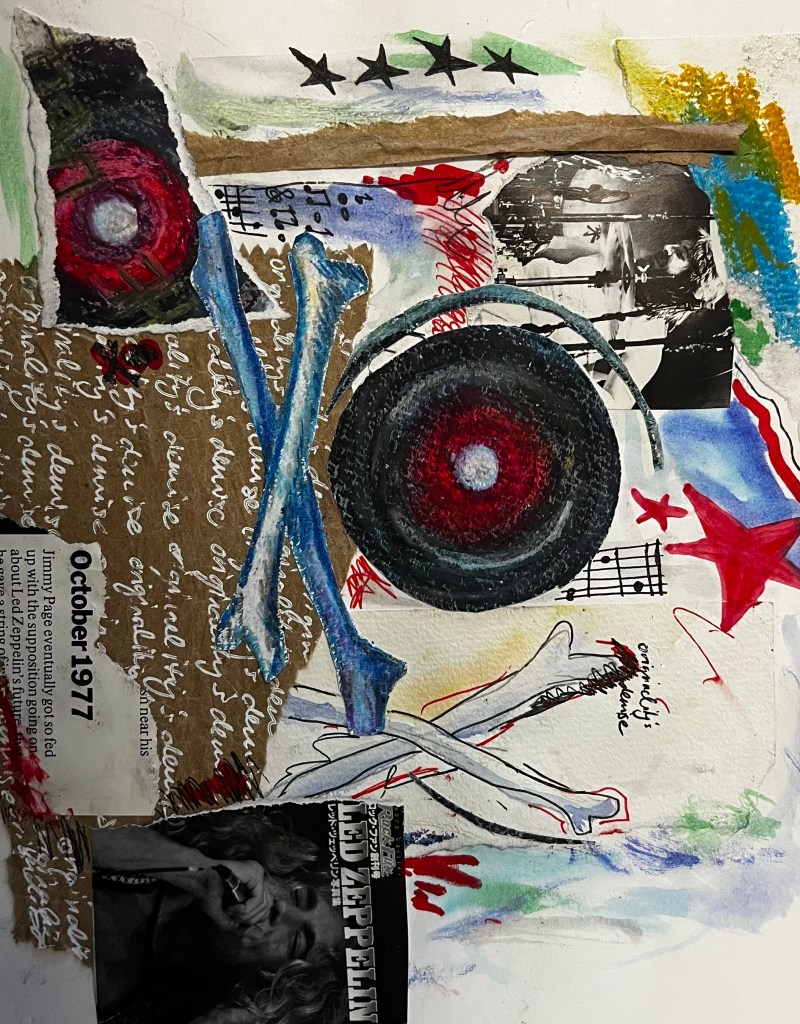
They control studios, distribution, and work with other companies thus achieving a monopoly over everything. For some musicians, record labels can be great by helping launch them into stardom, but for other more creative souls they can be manipulative and controlling. A recent victim of record labels manipulation is Taylor Swift, struggling to get the rights to her own music that was taken over by her record label.
When asked about the Taylor Swift scandal, NPHS senior and co-editor-in-chief of the high school newspaper, Lindsey Clinton said, “Taylor Swift used to write music she loved and grew up with, but her record label saw pop as more lucrative. Now all of her songs are poppy and sound the same.”
Not only are artist’s songs and even styles controlled by record companies, but often they are bound to unbreakable contracts which reflects Taylor Swift’s main struggle. However, after gaining a large following and a powerful voice in the music industry, she was able to re-record two of her old albums, about 53 songs under her own title (Taylors Version) free from the record labels grasp.
Another way artists break away from these binding contracts is by starting their own record labels. After living under the control of record labels, musicians like Kendrick Lamar, Phoebe Bridgers, and The Beatles realized that, by having their own label, they would hold the power over their own style and the music they produced.
Having their own labels helps artists create what they want when they want to. It gives them freedom allowing them to help smaller, rising stars into better record deals surrounded by fellow musicians rather than CEOs and corporate managers whose goals are set on money rather than music.
Who knows what prospects the future will bring to the music industry. Maybe there will be a shift toward more artist collectives or local, smaller artists will be the new face of music. Maybe these big record companies will strengthen their grip on the music industry.
Music has always been evolving, this form of the industry we have today could change in 20 years, and as Shreya Goshal said, “The good thing is that there is a constant need for innovation, which is important in the evolution of music and sound.”
 The Maroon