
 Posted by
 By Olivia Urrico, Staff Writer
Featured Image by Tierney Reed
As we enter Spring, the halls of New Paltz High School are becoming filled with laughter and excitement once again. But why was this vibrant energy so much harder to come by just a couple months ago? Winter months bestow a variety of hardships upon teens, some more extreme than others. Seasonal Affective Disorder (SAD) is a commonly known depressive disorder, which is marked by clinical levels of depression coinciding with months when sunshine levels are at their lowest. However, many aren’t as cognizant of the wider reality of struggles that many students without this disorder face. Without diminishing our awareness of the chemical disorder SAD, we can offer recognition to all those feeling elevated stress levels seasonally.
One Sophomore, Nina Rogers, speaks about how varying weather plays into her emotional health. When the weather is nice, Rogers tries to go for walks as often as possible.

“I like to go outside because it’s nice to get fresh air and it uplifts my mood,” Rogers expressed.
But in the winter, the undesirable weather leaves this student struggling to find relief from day-to-day life.
“I feel kind of helpless,” Rogers says, “because the only thing to do is go to school every day and it’s just a constant cycle over and over again.”
While it becomes harder to find excitement in the middle of the school year, students like Nina also lose the sunshine– something that has the power to uplift moods.
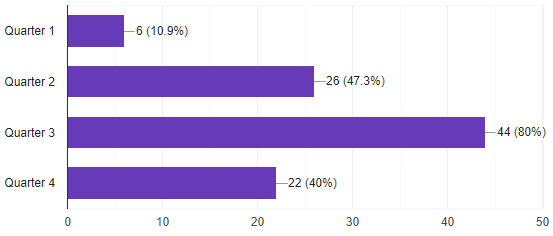
Nina’s experience with winter-related struggles isn’t unique to her. In a survey taken of 55 NPHS students, 80% stated their mood is generally lowest in the winter. 83% said that the main reason for this is school-related stress, and to follow up, 80% answered quarter 3 when asked what school quarter is the most stressful. This quarter spans from the end of January to mid April.
In many classes, especially those with regents or AP exams, this time is packed with learning and little leeway. Many of the most rigorous units and tests take place during this time, as students begin the final stretch before exams. This time of year already tends to be unmotivating with its lack of sunshine, and this extra stress from school leaves students struggling more than usual.
Although 20% of students from this survey stated they aren’t affected by the seasons, this doesn’t mean they are oblivious to these effects on others.
One of these students said, “I don’t feel a difference, but others do and then it affects me”.
For many people who may not experience season-related struggles, witnessing this in our loved ones can also impact day-to-day life. This may present as friends becoming unmotivated for social events that another is eager to attend. Or, perhaps, a family member taking out personal stress on another through their negative attitude or withdrawn affect. Ultimately, this shift throughout the year can impact almost everyone, to a varying extent.
In the survey referenced above, well over half of the students stated that the lack of sunshine in winter is a cause of their elevated difficulties. For people like Rogers, who enjoy doing things outside, this becomes one more thing to worry about in the winter. While it’s easy to notice the elevated mood that sunshine brings, it is important to note that there is science behind this observation; chemistry is at work! In the winter, we receive less Vitamin D from the sun. An article from The New York Times titled “How to Get Enough Vitamin D During the Winter” says, “Studies consistently show that vitamin D levels drop during the winter, with levels at their lowest in March”.
Many people are aware that low vitamin D levels affect our mood, but aren’t fully aware of just how much less we are receiving in these months. These low levels of vitamin D are yet another thing working against our mood in the winter.
One Senior at NPHS, Julia Demskie, recognizes her elevated spirit as Spring has finally arrived.
Demskie discusses this time of year with content as she states, “I honestly feel like a whole new person when it’s sunny outside, it’s totally different energy”.

Demskie touches on an important point, as we can agree there is a major shift in the energy at NPHS in just a couple months. Not only does sunlight give us energy, but this weather allows for more interactions, especially living in New Paltz.
“We live in a beautiful place with lots of hiking”, Demskie continues, “it creates a lot of social opportunities you don’t have in the winter”.
Now that Spring has arrived, the increased socialization leaves most students with more sources of enjoyment. By spending time with friends outside, we are actively increasing our mood and working against all the stressors that continue year round. As many struggles in winter are present throughout the year, in other seasons it becomes easier to cope and find distractions.
The overall effect of seasons on emotional health is no secret to New Paltz High School, even much of the staff. Mr. Neden, an English teacher at NPHS, keeps seasons in mind when planning classwork. Although class content tends to reach an unavoidable peek in rigor during the winter months, there are ways this stress can be alleviated.
“During the winter months, I always provide more time for in class work because I know it’s harder to get outside work done.”
Mr. Neden
“There is fatigue, so using the waking hours for schoolwork is easier when there is so little daylight,” says Neden.
By providing more work packed classes and less homework during the winter, Neden has been able to alleviate some of the stress students are experiencing.
Neden views his students with empathy and optimism as he states, “I think schoolwork is harder in the winter, but I still see students trying to persevere through struggles they may have”.
This teacher has recognized these seasonal shifts and found a way to optimize class success.
“I know there are also emotional struggles that I am not privy to,” Neden continues. “You never really know what’s going on”.
Teachers share a goal of creating success for their students, both in class and in life. By keeping in mind students’ social-emotional health, it is beneficial for teachers to strategize class plans in consideration of students’ needs. This awareness is what helps students feel more supported, as they can work with teachers towards their success.
Although there are some students who do not feel affected by seasons, it is essential to keep in mind that a large number of our peers do. It is understandable that it would become disruptive for teachers to alleviate classwork in the winter, especially those teaching AP classes. But by offering support and compassion for those struggling, students may feel less hopeless and alone. As we work to normalize season-related hardships, New Paltz High School may begin to feel like a less gloomy place to be in the winter.
 The Maroon