 Posted by
 By Bailey Kane, Staff Writer
In America, the average family consists of 2 parents and one child. The child will live in their home for 16 years before the child goes off to college, leaving a household of 2. Although every American family faces hardships and struggles, the average middle class family follows this cutout. In Rohingya, this cut-out of an idyllic life is immaterial. In the summer of 2017, the Rohingya people revolted against their mother country, Myanmar, and what was left in its wake was of fear and poverty. What started as a declaration of strength and fearlessness ended in the largest refugee camp in the world, and yet the Western world has forgotten about it.
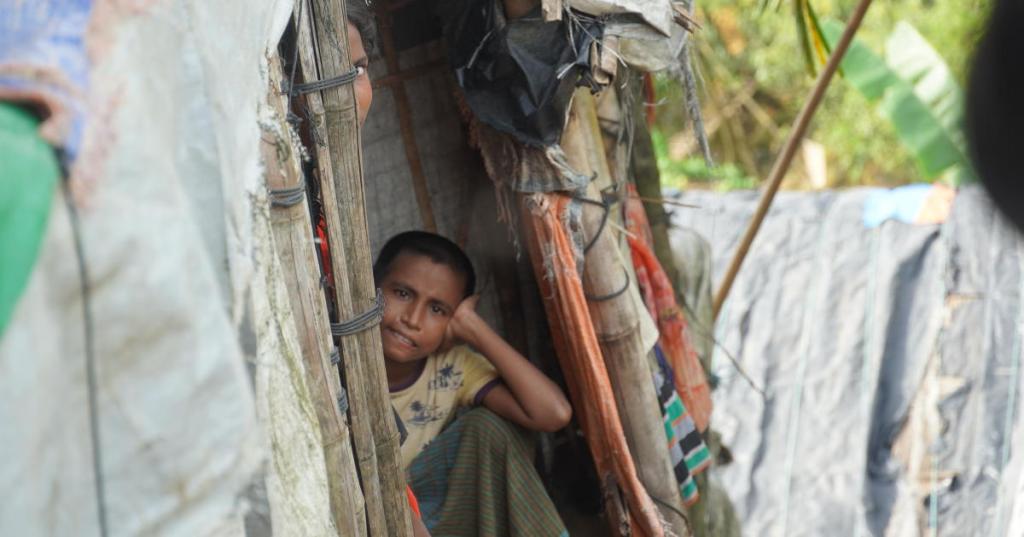
In 1982, the Rohingya people were formally discounted from the 135 official minority groups residing in Myanmar. San Yu, the President of Myanmar from 1981 – 1988 and the man responsible for their exclusion, was a Socialist military leader who came to power after he was elected due to his military experience as a general. Under his rule, the Muslims, and, incidentally, the Rohingya people, were denied citizenship and documentation due to their religion. Myanmar, formerly Burma, was a primarily Buddhist country that was known to be unaccepting of other cultures. Without any legal documentation, the Rohingya people were subjected to endless abuse and discrimination without any help from the government they were expected to put their trust in. That was their reality until 2,078 days ago, when they fought back.
In January of 2017, at least four Myanmar policemen were detained by the Myanmar government after posting a video of lining up Rohingya men and boys and brutally beating them with batons, the first documentation of the Myanmar police force physically abusing the unrecognized Muslim minority group. Only a handful of days later, three Rohingya men were found buried in shallow graves. Later that year, on July 4th, one hundred devout Buddhists attacked seven Rohingya Muslims being escorted onto Sittwe’s docks to purchase boats with bricks, ending in one dead and six severely injured despite heavily armed guards.
Just twenty-six days later, on July 30th, three decapitated bodies were found in Rathedaung Township, suspected victims of Rohingya insurgents. These types of attacks went back and forth, killing both Rohingya and Myanmar people, until August 25th, 2017. The Myanmar government announced that 71 people (1 soldier, 1 immigration officer, 10 policemen, and 59 insurgents) had been killed by up to 150 Rohingya militants in the night. The attack spanned over 24 Myanmar military posts and the 552nd Light Infantry Battalion. The official address from the Myanmar government stated that the attack began around 1:00 am when insurgents armed with bombs, machetes, and various other small weaponry blew up a bridge. The address then went on to say that the majority of the attacks took place between 3 and 4 a.m. The night ended with 25,000 Rohingya people being thrown into fires.
Since August 25th, there have been at least 1,000 Myanma deaths confirmed by Myanmar. Within the first month of the Myanmar clearance operations – anti-Rohingya insurgent operations by the Myanmar government – 6,000 – 7,000 Rohingya people were killed, 730 of them children. In August 2018 alone, 24,000 Rohingya people were killed, 18,000 Muslims girls and women were raped, and 116,000 Rohingya civilians were beaten.
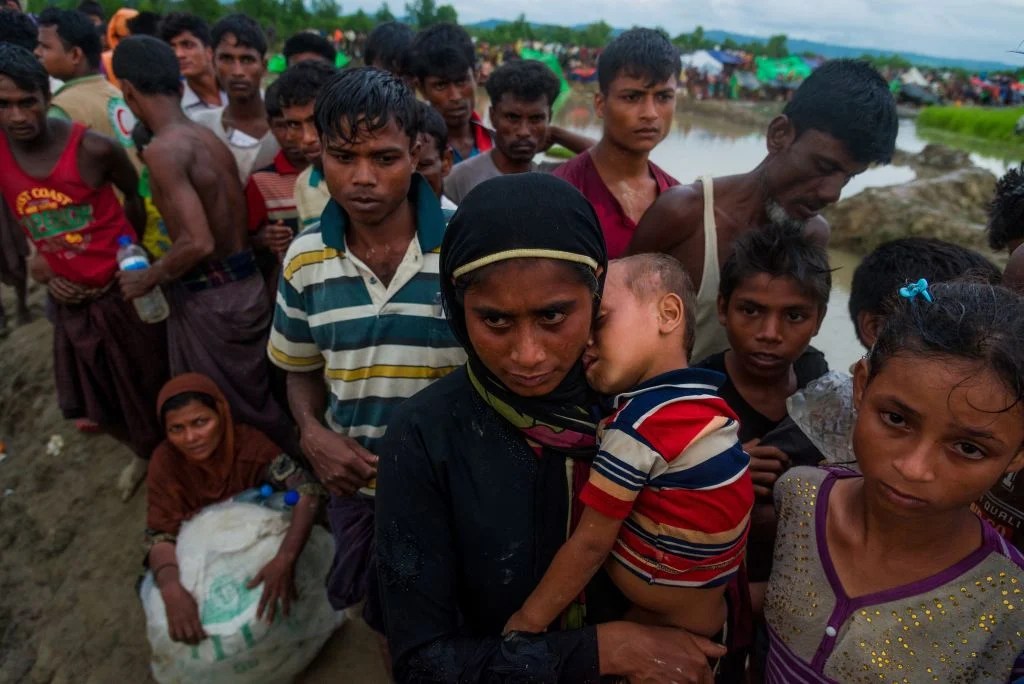
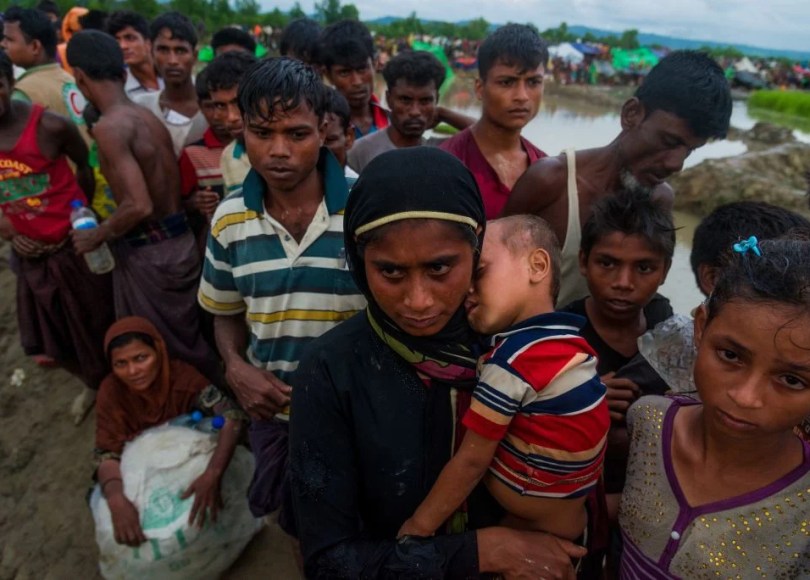
The Rohingya people have had their villages repeatedly burned and surrounded by landmines, trapping them in a “genocide zone”. When the Rohingya civilians have attempted to flee south, they are gunned down by Burmese soldiers. Any survivors were then killed via aerial assaults. Those that made it past the Burmese ambushes fled to Bangladesh, India, Thailand, and Malaysia. By November 2017, an estimated 650,000 Rohingya had fled to parts of south and southeast Asia. Following the widespread settling of the Rohingya people, they have been classified as the world’s largest stateless population. Today, their population is approximately 1 million, 900 thousand of them being refugees residing in Bay of Bengal, the largest refugee camp in history. Roughly half of these refugees are 16 years and under.
Although society likes to believe that mass genocides, like this one, are a thing of the past, they are a very modern issue. Innocent people like the Rohingya are dying due to ignorance and prejudice.
 The Maroon