
 Posted by
 By Anna Guido, Staff Writer
The summer craze of “Barbenheimer” seemed to take over every corner of the internet the past few months. It felt like you couldn’t go anywhere without seeing comparisons of the two movies, jokes, and everything shrouded in black and pink. It was clearly an intentional marketing scheme to make both films wildly successful. Barbie generated $1 billion ticket sales, making it the highest grossing film by a female director ever. And Oppenheimer, Christopher Nolan’s newest feature in his vast discography, passed $850 million, making it his third highest after The Dark Knight and The Dark Knight Rises.
But not only has it amassed such a large revenue, it has also opened many doors for people to view films as a piece of art, not just as quick, brainless, entertainment.
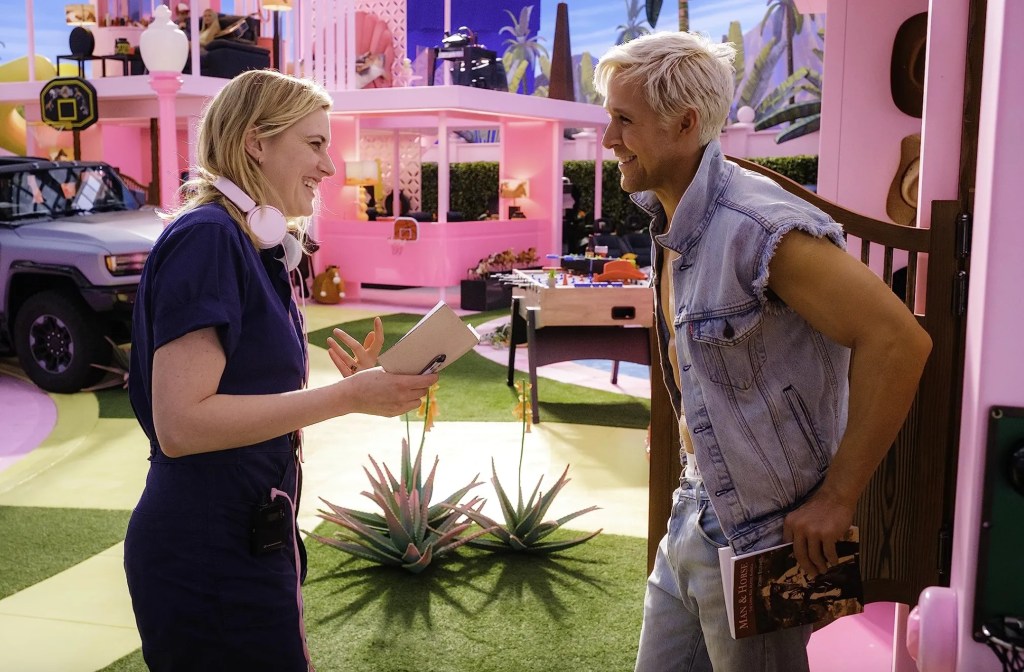
Barbie, directed by Greta Gerwig, follows the original Mattel Barbie as she gains consciousness through thoughts of death and hyper awareness of her body, eventually traveling to the “real world” to discover herself and the plethora of issues women must face every day. It balances camp humor and sincere commentary on the force of the patriarchy ingrained into society.
Oppenheimer on the other hand, is a much darker film, and boasts an epic blockbuster of the life of physicist J. Robert Oppenheimer and his internal struggles while constructing the atomic bomb during the years of World War II. The emotional turmoil and fall from grace that Oppenheimer grapples with is brought to life with actor Cillian Murphy’s performance, and it’s no secret he has a huge chance to win “Best Actor” at the Oscars in 2024.

In the digital age of the internet, people’s attention spans have become akin to a fast fashion trend– burning bright everywhere, and you can see then disappearing just as quickly. Marketing teams for various movies and tv shows have fought tooth and nail to snag viewer’s attention long enough to boost ratings, and what better way to do it than through the internet. Films such as Morbius from last year became a worldwide meme, and everyone was talking about it in conversation and on social media. Yet, when the day came that it was released to theaters, ticket sales tanked and never recovered. Even with the desperate move to make it available to stream on Netflix wasn’t enough to gain much profit. Nobody really cared about watching it, no matter the popularity surrounding it.
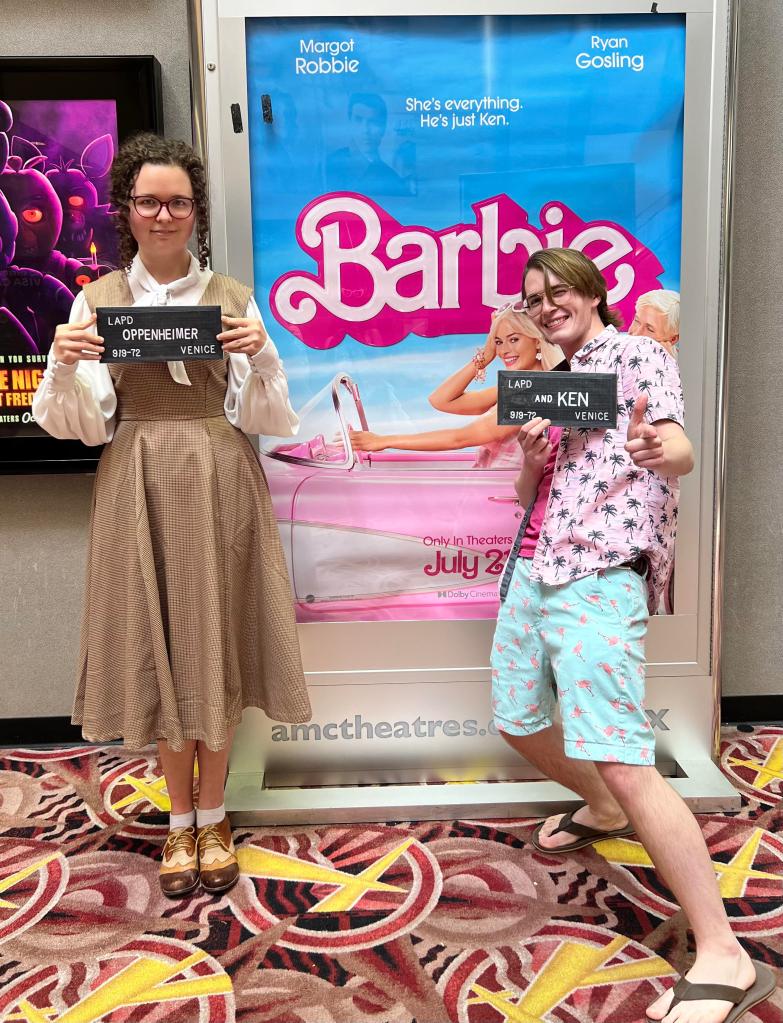
So by all accounts, they should’ve bombed like Morbius and been forgotten about just as quickly. But they didn’t. Even weeks after the release, both movies continued to generate millions of dollars in revenue, and stayed trending for a long time. Around our own high school, there is evidence of its influence. An entire day of our spirit week was dedicated to this phenomenon, and there’s even “Barbie Scream-house” fliers in the hallway everywhere you look. So why did these films succeed where others failed?
For one, credibility.
Both directors are known in the mainstream as ones with well-known discographies, therefore giving audiences the benefit of the doubt that the new films have the same level of quality as the previous ones. Gerwig has been highly successful in recent years with Ladybird and Little Women. Known as one of the best female directors of our generation, viewers know to expect an engaging and thought provoking film from her. And even with the controversial opinions on Nolan’s previous film Tenet, Oppenheimer was highly anticipated to be a deviation from his other works while still maintaining his signature “style.”
But what does this mean for mainstream entertainment?
Despite being well-known directors, both Gerwig and Nolan are much more popular among “film fanatics.” The general public generally watch films with the mindset that it’s just quick entertainment, which it can be. But there is so much more to it than that. It is also an art form that opens you up to different people, their experiences, and what you can learn from it.

Senior Sarah Cunningham says “Both of these movies are really intentional in their artistry, in how they want to be portrayed. … because of the popularity of the movies, it definitely reaches a lot of people, and get them into enjoying films more.”
“The marketing seemed to be about a fun, campy comedy with underlying themes of female empowerment and a snarky look at capitalism and consumer culture,” NPZ student Spencer Goldstein comments. “What it didn’t tell people was the extremely profound message of Barbie, not just as a film, but as a cultural icon. This movie said things about feminism and womanhood that I… was struck by.”
The beauty of art, especially that of visual art, is that so many things are up for you– the consumer– to interpret. There are certain cemented truths and lessons within the piece for you to see, but how you view and relate to it is always different for each person. How you perceive the world will directly influence what art means to you.

“The amount of people who went and saw Barbie without knowing it would drop the bombshells it did, who then left the theater with a profound change of heart, is staggering,” Spencer continues, “It painted such a vividly beautiful and terrifying picture of what being a woman is like every day.”
And this doesn’t just apply to this “Barbenheimer” phenomenon. So many incredible films are out there, just waiting for you to watch them. Even if your life wasn’t changed by either movie, or even if you didn’t like them at all, it’s still good to keep in mind the amount of thought and care put into each detail of many films coming out. So take the time to really watch something, to see what you can take away from it; maybe take one of Mrs. Tozzi’s analytical film classes. Consuming media with a more conscious eye doesn’t take the enjoyment out of it, sometimes it can make it more fun.
 The Maroon