
 Posted by
 By Anna Goodman, Staff Writer
Do you believe in magic, dear reader? I do. Despite considering myself a bit of a cynic, I can’t stop from grinning when a color-coordinated squad of quippy teenage girls save the world with the magic of friendship. They’re called “maho shojo” in Japanese, often translated as “magical girls”, and these girl-power centric shows are often overlooked as unserious and pointless, but they contribute to each little girl’s sense of feminist self-confidence.

1985 American tv-show, Jem And The Holograms, for starters, follows The Misfits, a band of girls that fights to reach stardom and avoid the machinations of their rivals. The sense of sisterhood is palpable and the girls form an adoptive family. My mother was 14 when this show came out.

In the 2008 Italian cartoon, World Of Winx, six fairies arrive on Earth to encourage regular women to fight back against their fears and embrace what makes them special so they too can fight evil and change the world. I was 11 when I first watched it and promptly decided I wanted to be a princess.

The 2016 French show, Lolirock follows five exiled magical princesses on their quest to return to save their home planet from evil. Lolirock focuses on growing up and draws parallels to every non-magical girl’s painful coming-of-age and highlighting the importance of remaining empathetic. My best friend was 8 during its second season.

And, of course, we can’t discuss girl-power cartoons without the indomitable 1992 Japanese anime Sailor Moon. Considered the blueprint for nearly every magical girl cartoon afterward, Sailor Moon follows average 14-year-old schoolgirl Usagi or “Sailor Moon,” and her four best friends–fiery Rei (Mars), intelligent Ami (Mercury), compassionate Minako (Venus), and headstrong Makoto (Jupiter)–as they try to make the world a better place. Sailor Moon is notable not only for being the inspiration for later stories, but also for making its protagonist not always likable. Usagi is often whining about being hungry, complaining about her destiny, stressing about her terrible grades, or daydreaming about cute boys. And yet she always manages to save the day with her friends’ hands on her shoulders. My sister was born three years later and saw the reruns.
So, what do these shows have in common, besides color-coordinated outfits, transformation sequences included every episode, a surprising amount of diversity in terms of race, and theme songs incapable of not rhyming “together” with “forever?” Well, simply put, they treat us like we are worthy, like we are not foolish for wanting something better than the world we have, and like we could really change something about the societies we live in.

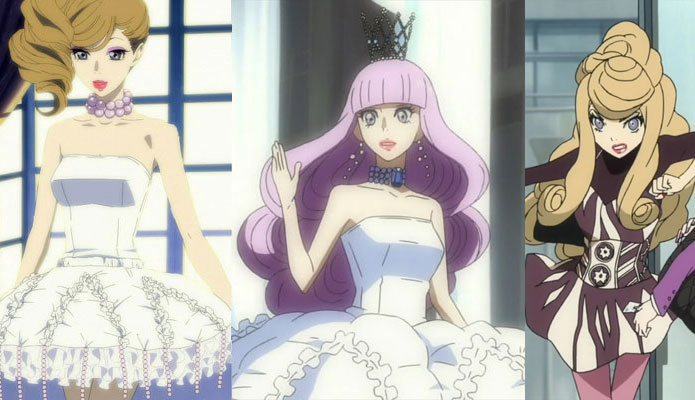

I denied my love of “kids” cartoons and Disney movies for a while, unknowingly buying into the notion that they are a thing to be mocked or scorned or merely not spoken of. Lolirock (which I mentioned earlier) just got renewed for a third season, after years of fans waiting, and when I read the news, I was genuinely thrilled. But then I thought that admitting I unironically watch something deemed so childish and frivolous would destroy my maturity in the eyes of others. And the truth is, it probably would.

Let’s all be honest here. Society hates teenage girls. It hates their clothes and their music and their emotions and their interests and so on and so on. And this follows women their entire lives. As Petrana Radulovic said in her Polygon article, “Classic Girl Power Cartoons Deserve Their Shot At The Big Screen,” “We tell young girls they can do anything: beat the bad guys, wield magical powers, come into their grand destinies, and, most importantly, do it with their best friends. Yet there are so few female-focused genre movies for when those girls are grown.”
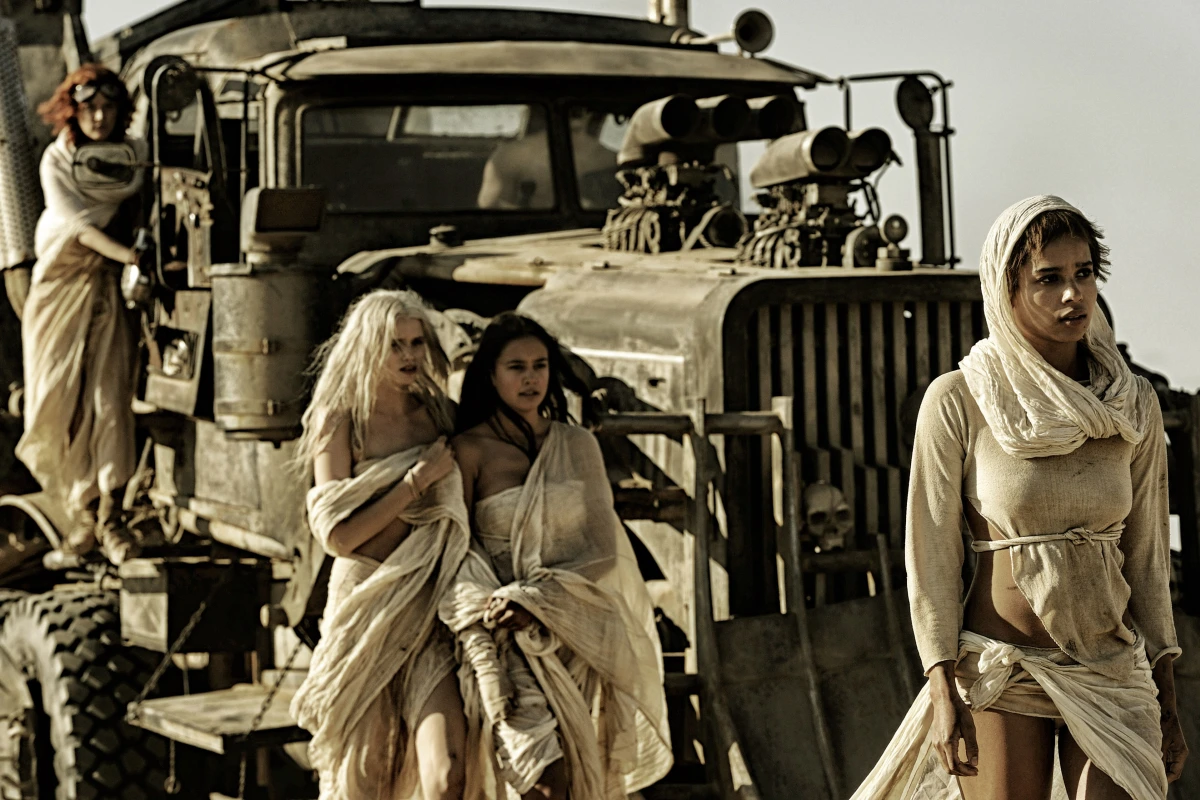
Just look at the amount of backlash when any action or superhero movie comes out starring anyone besides a straight, able-bodied, cisgender white man. Mad Max: Fury Road was boycotted by men’s rights activists in 2015, seemingly out of horror that one less movie about men wielding guns would be made to make one more about women fighting back against their oppressors.
Things targeted toward young women are so often seen as lesser and frivolous, no matter the depth of topics they cover. And, even things that seem like they’re targeted at young women face the same stereotypes, like the incredible anime Violet Evergarden. It is by no means for children, despite having a 14-year-old girl as its main character. The protagonist is a former child soldier, attempting to find her way through life after all she’s been through. Even adults who have seen it find it nearly impossible not to cry at least once.

the man she lost
But at the end, there is still something that sets Violet Evergarden apart from so much media: hope. Violet is still heavily traumatized at the end of the thirteen episodes, there is no doubt. But as she takes a job writing letters for people to their loved ones and connecting various relationships (a teenage girl to her distant older brother, a childish princess to her mysterious betrothed, an ill mother to her young daughter, or a dying soldier to his childhood best friend), she begins to forge relationships of her own and see that life is worth living. As the series finishes, she determines to live on without the person she loved and lost, and to love again.

new love in a girl she writes for
The first song I learned in Japanese was Sincerely, the theme to Violet Evergarden. It goes, “Shiranai kotoba wo oboete yuku tabi, Omokage no naka te wo nobasu no, Dakedo hitori de wa wakaranai kotoba mo, Aru no kamo shirenai…Ikiru koto yamenai koto. Anata ni kyou wo. Hokoreru you ni.” “Every time I remember words I don’t know, I reach out my hand in the shadows, But there are words that I can’t understand alone…To the end of the beginning, I’m living my life. I’m never giving up. So that you can look at me and be proud.”
Hope is a through line that is sorely lacking in so much of the media we consume. We, as a culture, follow true crime, dystopia, and even the news: analyses of how horrible the human race is as a whole. Perhaps we do this out of a reminder that we aren’t alone; perhaps we do this because we think them more accurate, more truthful, perhaps even more necessary. But an absence of hope doesn’t make something more worthy of respect. A work is not unilaterally better when it is dismal and despondent.
Many people have the idea that a happy ending is never earned; that at least one main character should die before the end or that every work’s finish should ring painfully hollow like the Hunger Games. But in the world that we live in today, we need this hope and this happiness. And most of all, in a world that tries to keep women down by keeping us apart, we need female friendship that is as sisterly and saccharine as it can get.

by her friends
So I ask you again, dear reader, do you believe in magic? I do. I believe that when girls and women work together they can achieve incredible things. I believe that I can save the world in a pink ball gown and three inch heels. And most of all, I believe that girl power has a place in all our lives, despite what anyone would tell us. So, from the bottom of my heart, I’ll tell you what generations of magical girls have told me, my best friend, my sister, and my mother: no matter what, never, ever give up fighting for a better world.
 The Maroon