
 Posted by
 By Clio Miller, Writer
A few weeks ago it was banned book week. While our library might not have a “banned book list”, there are books that are not permitted. The question is, who decides what books belong in a library? Should it be the librarians, the students, the teachers, the taxpayers? All these people have claims, but whose claim is the most authoritative? The librarians are trained in the topic, the teachers might need references or suggestions for their students, the students are the client base itself, and the community members are funding the library.
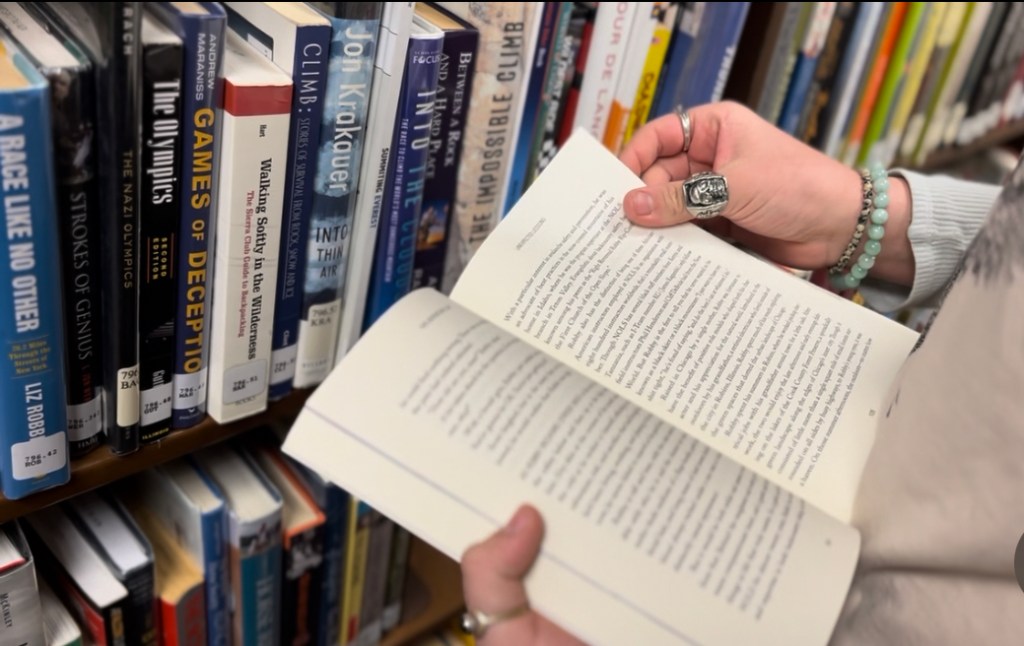
Different states have different policies about banning books that contain topics mostly pertaining to LGBTQIA+ and race. These restrictions can come from many different people including state legislatures, governors, school boards, or community members. In some states teachers and librarians are worried about being arrested. Ron Desantis’ “Stop Woke Act” is a piece of legislation that, among other things, allows teachers to be convicted of a felony for supplying pornographic books to students. This might sound reasonable at first, until you hear the extent to which he categorizes ‘pornographic’. In Florida this goes just as far as to ban books which discuss homosexual relationships. Also penalized are books discussing race and diversity. In a June 20th 2023 New York Times article, Elizabeth A. Harris and Alexandra Alter told the story of how the book And Tango Makes Three, written by Justin Richardson and Peter Parnell, was banned in a Florida school for portraying a baby penguin that has two fathers.
Many people in this school have read Ray Bradbury’s Fahrenheit 451, the book-burning classic, which leaves them thinking that all book banning is bad, and that we ourselves would never ban any books in our libraries. But this is an oversimplified opinion. After a bit of reflection, anyone can think of a book that would not belong in a high school library, so the question shouldn’t be whether we ban, but where we draw the line.
To learn more about the library book policy in our district, I interviewed our high school librarian of 17 years, Ms. Arkans. In our library, the librarians pick out the books, however teachers and students are allowed to make requests. This leads to two questions: what training do librarians have in order to make these decisions; and how do they decide what books belong in our library?
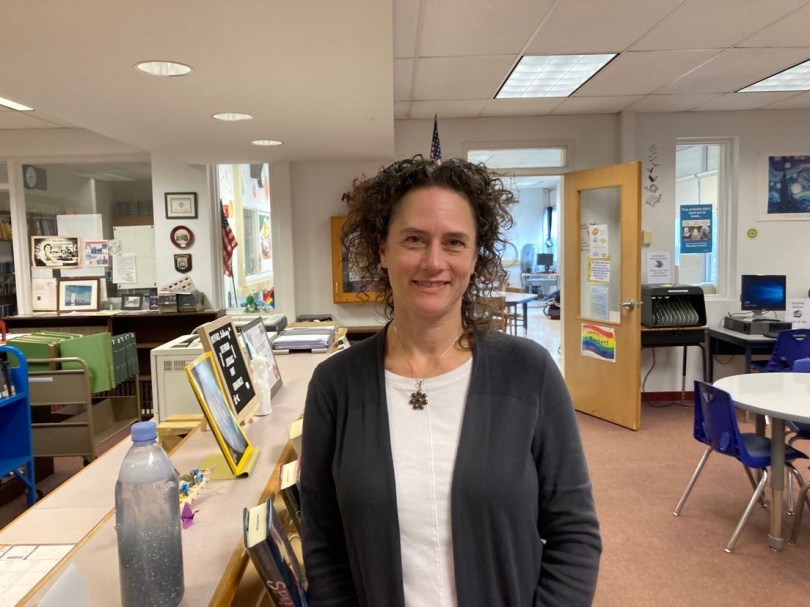
In order to be a librarian, you need a Masters Degree in Information Science (this includes organizing information, philosophy and ethics of information dissemination, establishing and managing physical and digital resources), and to work in a school you must have education credits. Ms. Arkans is in charge of selecting library books. She has a yearly budget which she spends on book requests and recommendations through the school year. When asked what types of books she would not allow in the library, she responded that this is a school library, not a public one, so she has to think about the client base, including the age of the students, so the books must be appropriate for teenagers.
Can any book in the library be challenged? Surprisingly, yes. Any community member, tax payer, public official, school board member, or student can challenge books, however, in the 17 years that she’s been here, Ms. Arkans hasn’t had any challenges so far. As for the policy: if anyone wants to challenge a book, they must read the book and fill out a form which describes what is particularly wrong with the book. This form goes to a committee with the librarian, principal, and various other people to decide whether the challenge is valid.
While book banning is a commonly frowned upon subject, it is important to acknowledge that some books might not be appropriate for a school library, and not everything is black or white.
 The Maroon