 Posted by
 By Bailey Kane, Staff writer
All people wish to find value in one form or another. For some it’s through money, others through status, and for many, value can be gained from fashion. After all, it is just a flaunt of wealth. Although you may not be aware of it, most people consciously choose what to wear based on if it “looks good ” or not. However the opinion of what “looks good” changes constantly, with the average trend lasting a short year before there is more waste produced and another trend takes its place, creating a viciously harmful cycle. Trends can be dangerous for more than one reason; if someone were to wear something out of style they could receive negative comments; which is where the loyalty to following trends begins. Simply buy different clothes, change your style, and suddenly you have value. At least, that is the story fed to most people.
Fashion is a form of expression.
For so many, fashion is a form of expression. Once brands track their customers and notice a trend in the demographics purchasing from them, they do what everyone does, they capitalize. The brands begin to change their marketing, directing ads to land on your feed. Brands begin to change their style of clothing to appeal to you, drawing you into soon calling them your “favorite brand”. This follows by telling all your friends about how great and accessible this brand is, with all of their constant deals. But what you don’t know is that there are millions of dollars being exchanged hands to keep people quiet and shut down lawsuits. The clothes you wear everyday were made by innocent women and children forced to sew until their fingers begin to bleed and stain the fabric. The brand you preach to be the best is partaking in human rights violations that you won’t ever know about if you never look past the 50% off sign.

While fashion may be a harmless art form on the surface, there is a deep history of the immense waste and abuse that powers the industry and the harm done by it.
This scenario may seem grotesque and otherworldly, but it is still happening today, and to even worse extents. Sweatshops are littered around and overlooked, as the issue may seem too big to handle. For most families in the United States, sweatshops seem like a distant issue that would never be faced. However the majority of the business you buy from utilize forced labor and are killing women and children overseas. An example of how close you truly are to sweatshops is that Nike, Adidas, Forever 21, Zara, Hollister, and almost every other large clothing corporation are dealing in illegal labor. And a very well-known use of forced labor comes from Shein, a very cheap website where you can buy almost anything for a very low price.
There are a few historical events that most people know about, one of which being the Triangle Shirtwaist Factory Fire. On March 25th, 1911, a factory in Manhattan, New York City caught fire that ended in the mass death of its workers. Although it may seem like any other sporadic fire that occurred at the time, it was very avoidable and preventable. The only reason those women died was due to the greed of their bosses. The employees at the factory would be trapped on the floor, at their sewing machines with little to no breaks, as this strict schedule created the most profit. The women were paid very little and had their stairs locked, preventing them from leaving before the end of their day. When a fire broke out, the guards stationed at the stairs doors did not unlock them, forcing all of the women to burn to death for the sake of money.
Our planets and its other inhabitants are being harmed as well.
Humans aren’t the only ones being hurt by fast fashion, our planets and its other inhabitants are being harmed as well. Leather is a material going in and out of fashion, much like every other style or variety of clothing. Leather, however, is created from chemically treating animal skins or hides from cattle, goats, buffalos, and many others. For every thirty leather jackets, one animal is killed just for the purpose of a materialistic gain. The brutality of the mass killing of innocent animals to make clothing is often mixed in with the spiritual and disciplined harvesting of leather by natives. Many tribes will have a ceremony to appreciate the animals’ life and sacrifice for the native’s lives and wellbeing. While natives may still take some animal’s lives, it is nowhere near the amount of animals killed by the rest of the world, totalling to the slaughter of about 1 billion animals per year. That is more than 2 million animals slaughtered by mass per day for some leather jackets that will be thrown out five years later and only be worn for 4 years after buying.
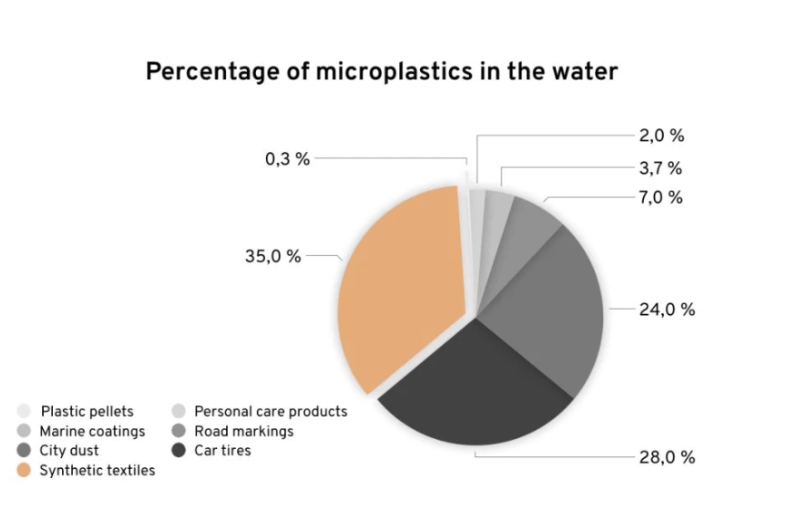
If the animal won’t be killed itself, its home will most likely be slowly destroyed anyways. The fashion industry is responsible for about 10% of the gas pollution and approximately 20% of water pollution worldwide. Just under 300,000 clothing factories are placed around the globe and are the second largest use of water in the world, second to agriculture. The excuse that the effort is worth the product cannot be used here as for the 100 billion textiles created annually, 92 million tons of them end up in a landfill by the end of the year. Without any change, the harm being done by the fashion industry will increase by fifty percent by the year 2030, that is 6 years until two garbage trucks worth of clothes will be dumped into a landfill every second.
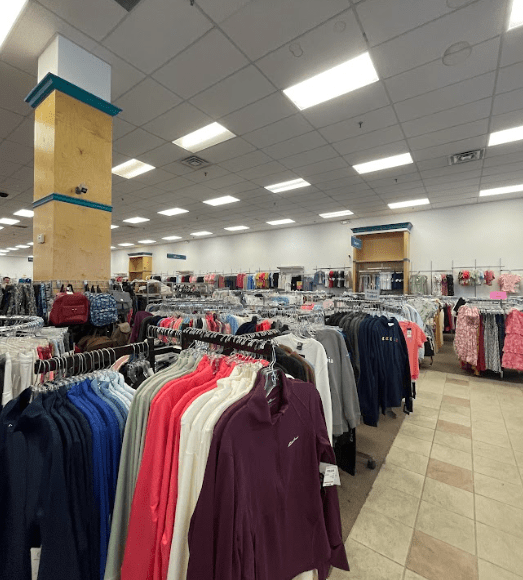
There are countless issues with the fast fashion cycle and the waste that comes from it. But there are ways you can fight back and help put an end to it all. Firstly, you can shop locally and support your small businesses. Buy from humanely produced sellers and reduce, reuse, and recycle. Shop at thrift stores, an example of reusing that already exists. Buy from fast fashion industries as least as possible, sometimes it is nearly impossible to avoid, but if you are able and it is accessible, definitely attempt to avoid those corporations. Replace some objects in your home, only once the existing product is at the end of its life. For example, get a bamboo toothbrush or a natural loofah. Instead of reaching for plastic wrap, choose instead to buy beeswax wraps, a piece of reusable fabric that is saturated with beeswax to provide a grip that can cover your food just as a piece of plastic could. Many places around the world have already started to implement mandated replacements. One example of this being the extra charge for a paper bag instead of the reusable bags, in parts of New York, plastic isn’t even offered. Many restaurants only provide paper straws in contrast to a plastic version.
While some steps are being taken, it won’t be enough unless you take it into your own hands to help heal our home. If you aren’t able to buy eco-friendly products yourself, simply spreading the word to those around you is helpful enough. Although your efforts may feel miniscule, if we all put in some labor, we as a united people can make a change and stop the damage that fast fashion is causing to our planet.
 The Maroon