 Posted by
 By Olivia Yarwood and Marin DiDonna
It started with asking AI for help with a chemistry problem, then to finish an entire worksheet, and now we’re on a first name basis with our ChatGPT. With the fast paced advancements of Artificial Intelligence and its growing integration into our everyday lives, it’s becoming more difficult to think on our own. Additionally, AI has become more accessible to students and teachers. In turn, this has led to affecting life inside classrooms.
When students of all grades were asked questions about AI, like how often they use it and their opinions on teachers using it, we noticed a theme in their responses. Nathaniel Johnson, a senior at New Paltz, referring to AI overviews on the internet, stated, “it’s forced on me.” Though AI overviews can be helpful, sometimes they take away from real research and solid sources of information. However, some students don’t feel pressured by AI at all. Junior and student athlete Rezia Duignan feels “it takes away independent thought,” and Junior President Stella Ettinger notes that “AI is detrimental when students use it as a replacement, they should instead use it to support their original thoughts.”
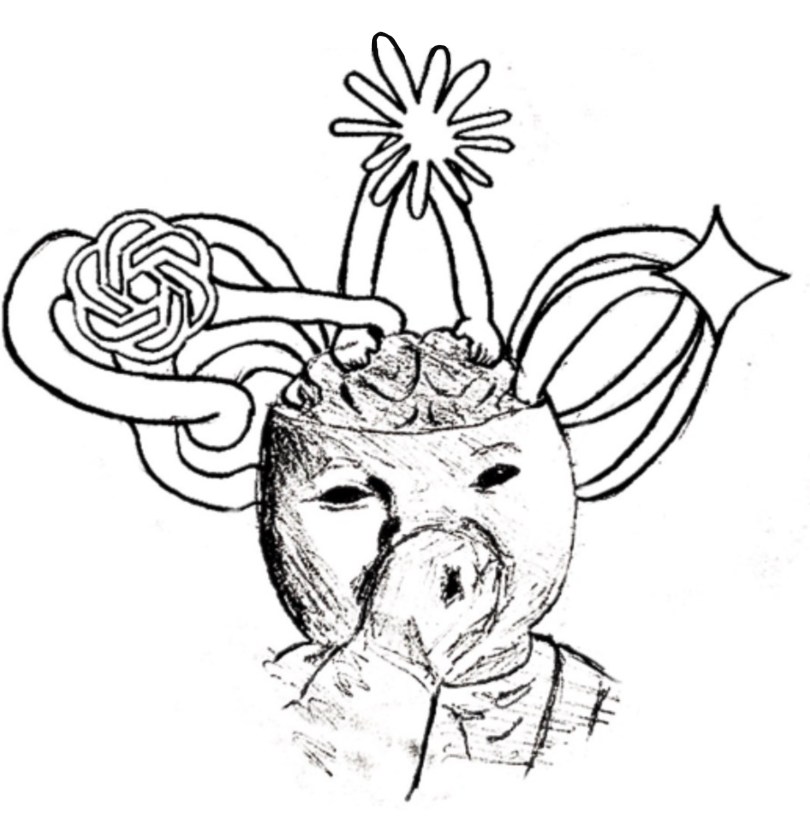
Many adults’ concern with AI is that students will overuse it, however students are the ones seeing right through AI. Highschoolers, sleep deprived and stressed out, do actually want to learn. Those who choose to continue their education want to gain cognitive thinking and reasoning skills for later in life. Students are the first to admit that AI will take away their creative thought, and they know that the more they use it, their thinking abilities will plateau.
As if AI isn’t already being forced upon us enough through our personal lives, it is also now being fed to us straight through a lens from our own educators. For instance, teachers are now using AI platforms such as ChatGPT, Microsoft CoPilot, and Google Gemini to create lesson plans. Oftentimes, they are unaware of the mistakes or content within these lesson plans, leaving students confused and uninterested in their subjects. Sophomore Paityn Mach believes “lesson plans should be creative and engaging, if students shouldn’t use it, neither should teachers.” The use of AI by students has grown more intense due to the feeling that teachers are no longer available to help with their subjects. Some even feel that “AI helps me more than teachers”, as Senior Ruby Stelmaszyk stated. The growing incorporation of AI into our schooling is creating a great distance in the relationships between students and teachers, making it harder for students to learn and absorb critical information for their lives.
In conclusion, artificial intelligence’s growth into our education systems contains both positives and negatives. Through our students and teachers at NPHS, it has been shown that AI has aided in lesson planning, quicker learning, and in understanding material. However, it also deprives both students and teachers of creativity, personal thought, and human connection. There must be caution towards the further use of AI, and an overall regression of its deep involvement in our schooling.
In conclusion, artificial intelligence’s growth into our education systems contains both positives and negatives. Through our students and teachers at NPHS, it has been shown that AI has aided in lesson planning, quicker learning, and in understanding material. However, it also deprives both students and teachers of creativity, personal thought, and human connection. There must be caution towards the further use of AI, and an overall regression of its deep involvement in our schooling.
 The Maroon